










Personalization of the Customer Experience
In the field of advanced customer experience personalization, Artificial Intelligence (AI) plays a vital role as a catalyst. It analyzes online behaviors, purchase histories, and social media interactions through automated data collection. In addition, AI is capable of processing unstructured data, such as customer comments and reviews. Customer data is analyzed automatically to build detailed profiles that encompass individual preferences, purchase histories, and online behaviors. These insights fuel sophisticated algorithms that enable more precise customer segmentation. Thanks to this intelligent segmentation, businesses can anticipate each customer’s specific needs and preferences by delivering personalized recommendations and targeted offers. As AI continues to evolve through continuous learning, it further refines these recommendations to adapt to changing customer behaviors and preferences.
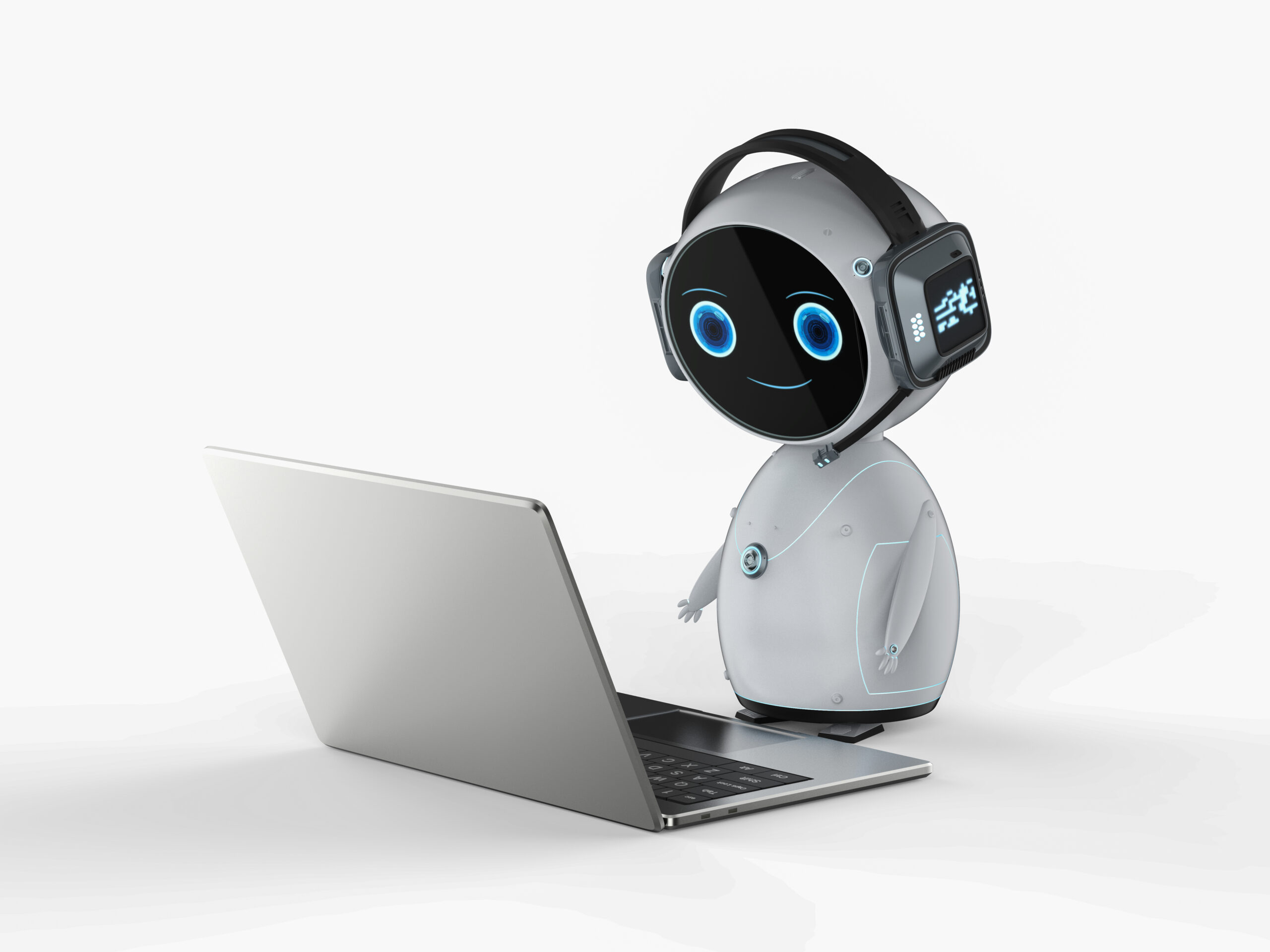 Personalization is not limited to e-commerce and targeted advertising alone. Websites can also dynamically adapt their content for each visitor, delivering a truly tailored user experience. AI-powered chatbots add an additional layer of personalized interaction by providing contextual, real-time responses, significantly enhancing accessibility and customer satisfaction.
Customer loyalty greatly benefits from advanced personalization. Predictive models enable businesses to anticipate early signs of disengagement. As a result, they can implement proactive actions—such as exclusive offers or tailored loyalty programs—to maintain strong and lasting relationships with existing customers.
Artificial Intelligence (AI) can dynamically adjust pricing based on various factors such as demand, competition, and consumer purchasing behavior, thereby influencing buying decisions by creating a stronger perception of value.
Automation
At the same time, automation stands out as a key driver of operational efficiency. Automated systems can handle repetitive and time-consuming tasks, freeing human resources to focus on higher-value, strategic activities.
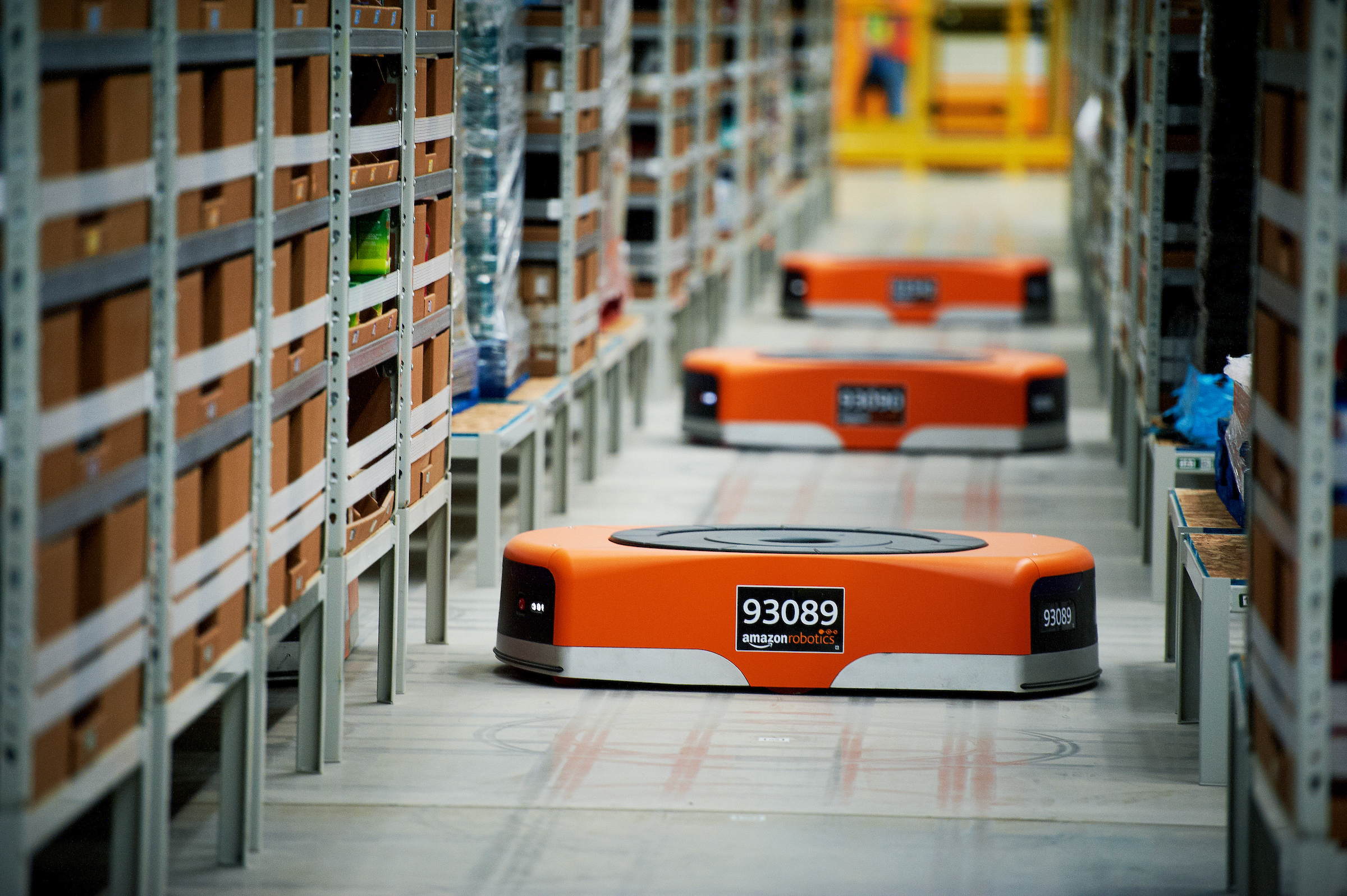 Business process automation streamlines operations across areas such as inventory management, order processing, and shipment tracking, while significantly reducing human error. Chatbots, as a key component of automation, are not limited to personalization; they also provide instant assistance, enhancing the efficiency and responsiveness of customer service.
In the manufacturing sector, automated production and logistics chains leverage IoT sensors (Internet of Things) and AI-based systems to dynamically adjust processes in real time, thereby optimizing both quality and productivity.
Automation also delivers significant advantages in data analysis. Automated algorithms can identify trends, correlations, and actionable insights from large datasets, providing strategic intelligence to support informed decision-making.
In conclusion, the synergistic combination of advanced personalization and automation, powered by Artificial Intelligence (AI), is redefining the way businesses interact with their customers and optimize their operations. While these advancements unlock immense opportunities, they also raise important questions regarding ethics, data privacy, and the responsible use of AI technologies. éthiquesHighlighting the importance of responsible use of these innovative technologies. The future looks promising, with continuous opportunities to enhance the customer experience and further optimize business operations.